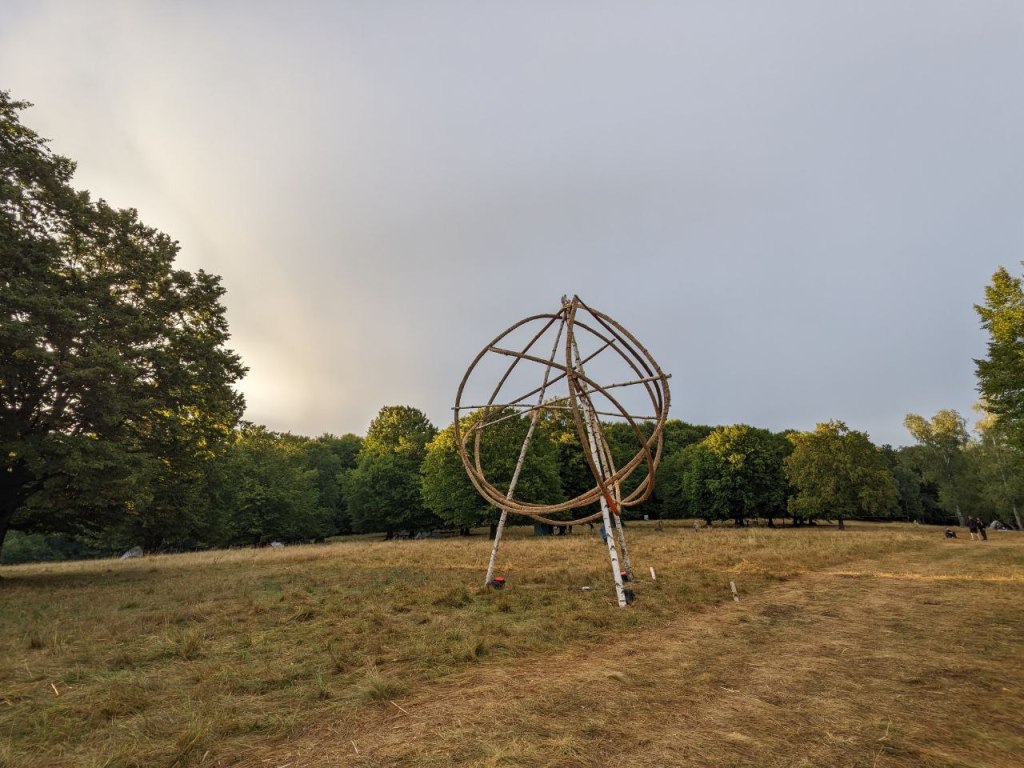
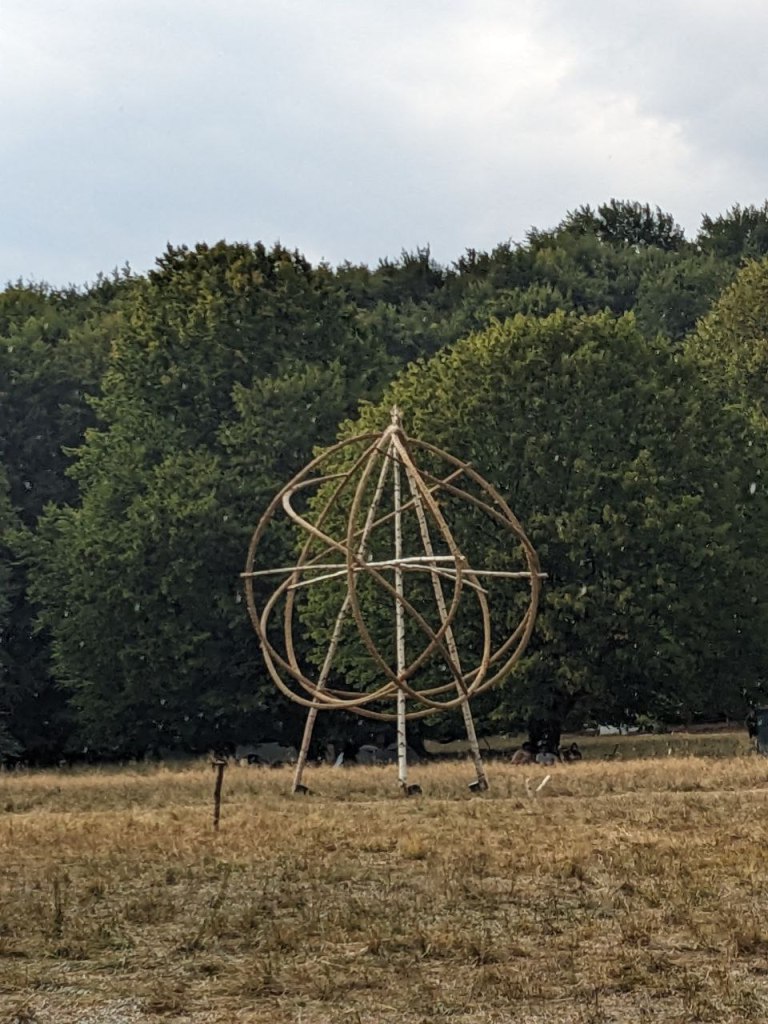
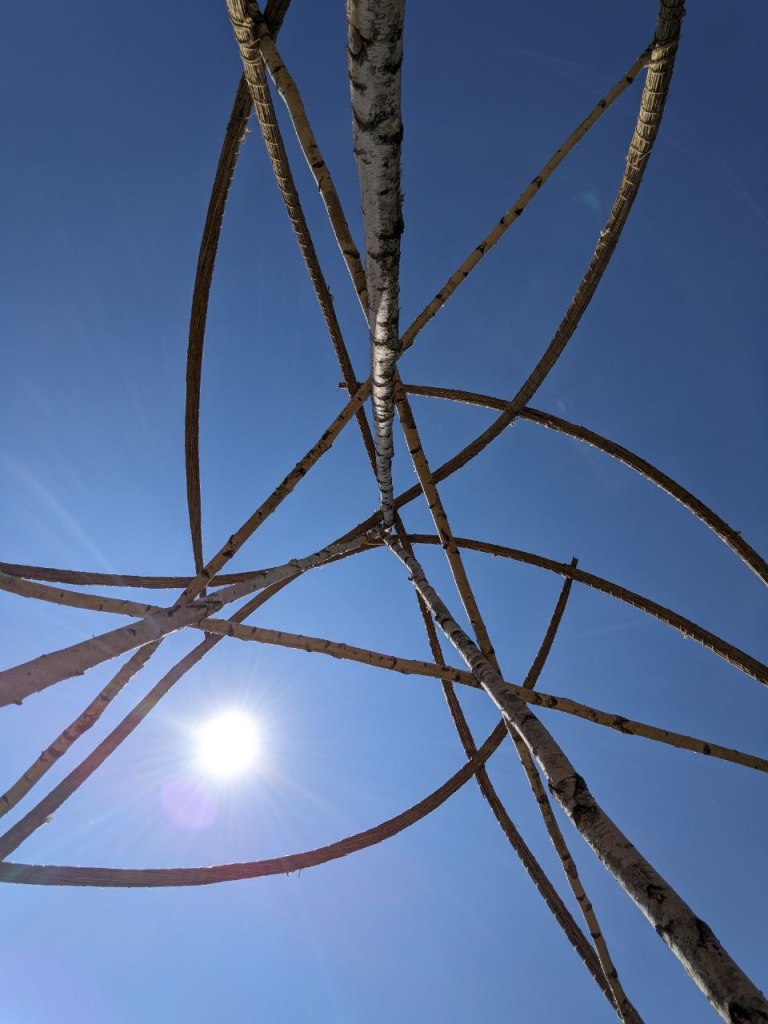
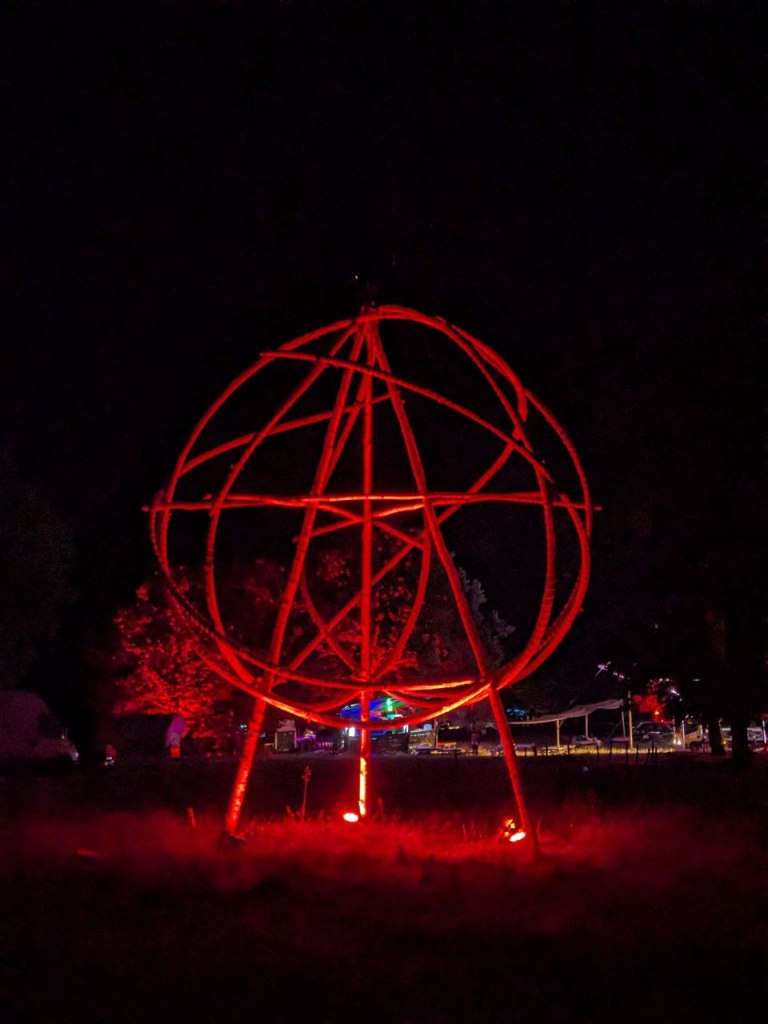
Reed (phragmites australis), white birch, hemp rope
Romania

I didn’t know that much about Romania before I arrived for the first time last year. I could point at it on a map: a huge country still covered by large swathes of primeval forest — one of the last rare places in Europe where you can still walk among the same trees that have existed without disturbance since the ice ages. And of course, Transylvania has been made famous (at least in the English speaking world) through movie magic into a land of vampires and exotic, primal mysticism.
This year, I wouldn’t be able to say that I’ve experienced enough of Romania to say I truly know the country and the culture, but what I do know is that I feel so grateful to have been given the trust and support to make my biggest solo installation yet, and most importantly, to have been gifted the time and space to understand just a little bit more of this beautiful land, where the identities and cultural backgrounds of the people are as diverse and colourful as its landscapes.
Some impressions:
I think every culture has its own special way it gathers to celebrate, or just to come together, so that when you go to such a gathering you understand that the people are pros at it, and that these ways of gathering— the South African braai, the Louisiana gumbo, the Taiwanese night market— have a special vibe and feeling that represent something difficult to articulate in words.
For me, the Romania of Wahaland is a bonfire culture. We woke with the morning filtering through the birch trees, a kind of light and fresh green that mixed with the early mist and smoke curling from the remnants of last night’s fire and gave each start of the day an ethereal, ephemeral feeling of time standing still. The nights came on slowly, often with a watercolour sunset fading into black, and then light again from the stars and the moon and the Milky Way washing over our heads.
Sipping on homemade palinka and wine out of bottles from someone’s father, someone’s sister, someone’s aunt, a bowl of hot ciorbă, mămăligă, and playing paprika 🌶️ spice roulette. Passing joints, passing time, the kind of time that was filled with laughter and shit talk, moments of raw vulnerability and flaring tensions, and the warm and deep kind of silence shared among people who have worked together all day long under a blazing hot summer sun, who come together at the end of the day to share a moment before rest.
Sitting around the fire, I felt like I could hear the history of humans meeting other humans across the European continent embedded in the sounds of the language flowing around me. Little bubbles of Hungarian, Moldovan, and Roma language. In the Romanian language itself, words like cartof (kartoffel: German), potato. Portocale (portokalia: Greek), orange. Ciorbă (çorba: Turkish), the soup. The chef named Liviu asks the young girl if she’s been keeping an eye on the birthday cake she’s been put in charge of in the oven, and she replies “Da (da: Russian), Chefu”. But also, the sound of a language uniquely its own — a certain resonant quality of sound delivered from the chest, as opposed to the head, or mouth, as we clinked bottles and said to each other, “stai liniștit (don’t worry, relax),” “noroc şi sănătate (luck and good health)”.
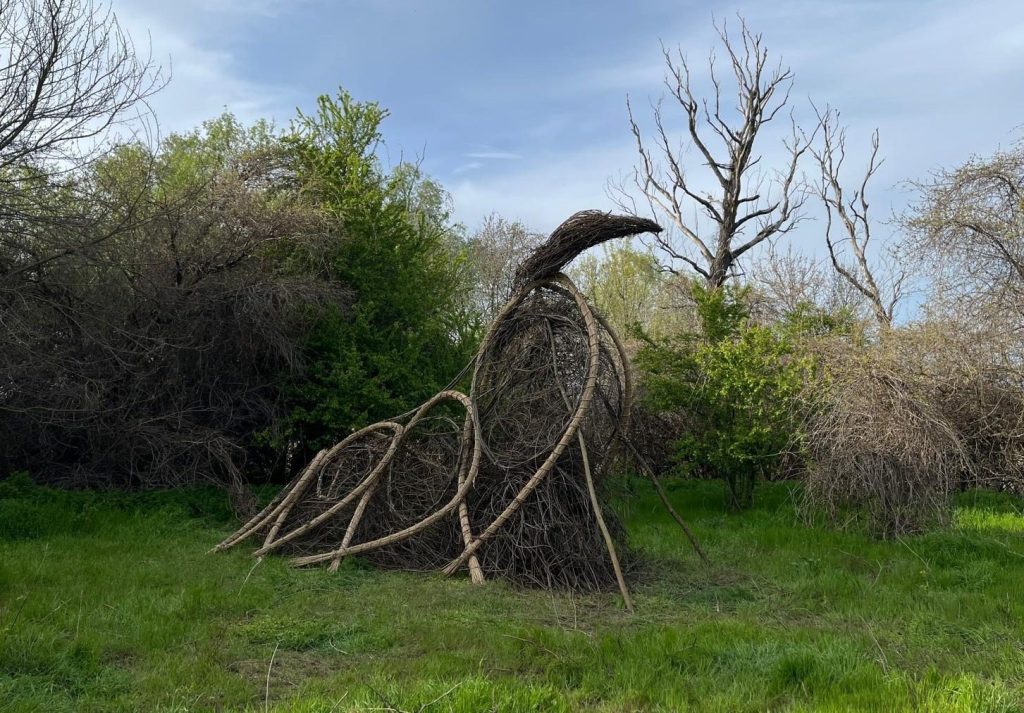
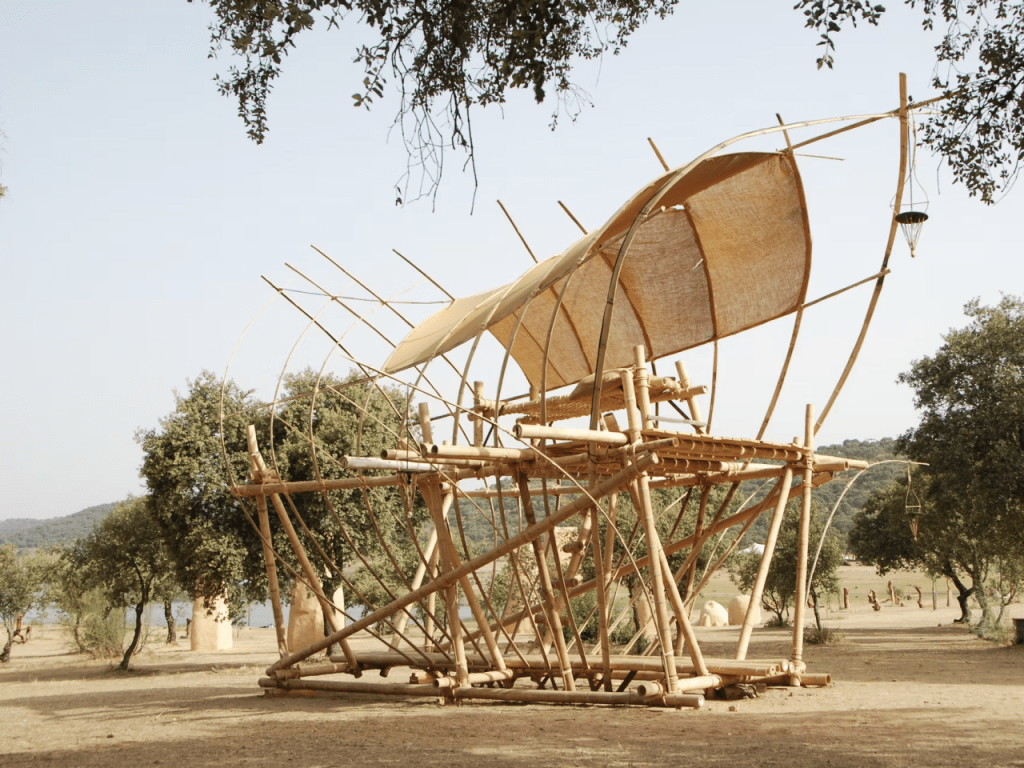

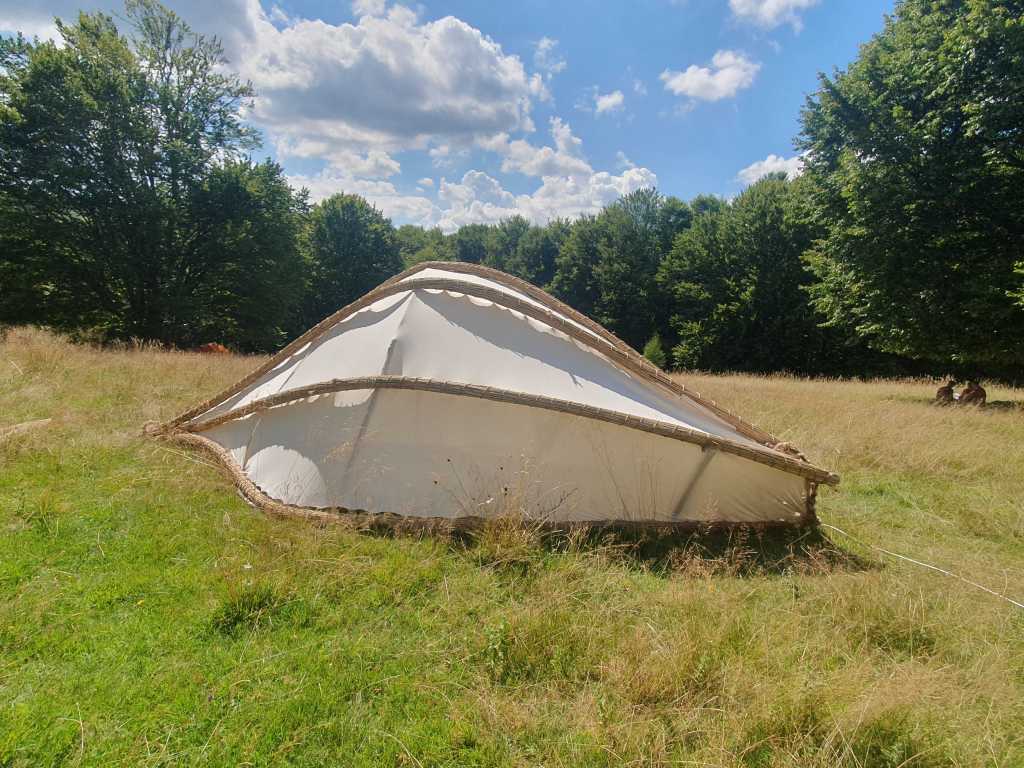
 Selected Installations